How we work

At Conquest Centre we subscribe to working in a holistic approach that embraces the science and theory behind several tried and tested therapeutic approaches. We weave them together to offer each individual a powerful person centred approach to improve wellbeing.
The beauty of our work is that mentors are trained in several science-based methodologies and approaches such as:
Mentors can draw on their knowledge from training in all (or some) of these approaches and working with nature and our therapy animals, they can tailor a plan that most meets the needs of the individual in front of them on the day. We recognise that no two days are the same for most people, how we feel on the day can depend on so many things.
Mentors come from a variety of backgrounds, and all have training, knowledge and experience of the most challenging neurodiverse conditions including Autism, ADHD, eating disorders and many other conditions and complex needs.
*These are individual accreditations held by specialist Conquest mentors.
Training in Thrive Approach equips the Conquest mentors with a helpful ‘set of tools’ for unravelling complex behaviours and recognising needs in children and young people. With this information they can tailor an approach that is likely to support the developmental needs of that individual.
Thrive Approach was developed in the early nineties in recognition of the flaw in education systems to recognise certain needs in children and young people. The principle theory behind the approach is based on the understanding that behaviour often stem from unmet needs. The founders believed that it is not until that need is met, would children be able to change their response to circumstances. Their passion was for schools to meet their pupils needs and become places of compassion and understanding.
In summary Thrive Approach is a dynamic, developmental and trauma-sensitive approach to meeting the emotional and social needs of children and young people. It helps adults build safe and supportive relationships, uses attachment theory to understand behaviour and aims to improve attendance, behaviour and learning outcomes.
Thrive has been developed over the last 25 years with its architects drawing from a wealth of experience in social work, psychotherapy and education.
Attachment Theory
Child Development Theory
Neuroscience
Play, creativity and the arts
Working in a trauma informed approach means that all interactions mentors have with clients and students are underpinned with an understanding of the impact of trauma, past and present and all interactions will take a trauma informed approach.
Trauma is not the event itself, but it is what happens within you, in response to an event that has been experienced as an out of control, frightening experience and it can be subjective. A trauma informed approach reframes ‘What is wrong with you’ to ‘What has happened to you?’
Conquest defines trauma as. “An event, series of events or set of circumstances that is experienced by an individual as physically or emotionally harmful or life threatening and that has lasting adverse effects on the individual’s functioning and mental, physical, social, emotional or spiritual well-being”.
There is a long list of events that are recognised as potential causes for trauma, and these (not exclusively) include:
The essence of this work lies in all clients and students feeling safe physically, mentally and emotionally in a non-judgemental and inclusive environment. The role of the mentor is to become an emotionally available and trusted adult in whom to trust.
For further reading please access our ‘Relationship Policy’ or go to Trauma Informed Schools UK.
Join us in the woods to play, explore, discover and grow.
We have debated whether our forest school should operate with a different name as although it can be an educational environment, it certainly isn’t reminiscent of a traditional ‘school environment’.
We are excited to be associated with The Outdoors Group who have given us the knowledge to make our Woodland into a magical place for experiencing wellbeing and personal growth in a totally different way to how we might otherwise experience learning at school.
The Conquest Forest School complements the therapeutic work by offering areas for getting involved with ‘risk taking’ and ‘problem solving’, play based learning and connecting with nature.
Mentors have completed Forest School Leader Training to various levels and they are nothing short of passionate about sharing their curiosity for connecting with nature. This might be by foraging, whittling, building fires, cooking, toasting marshmallows, playing and having carefree fun making dens and other mysterious areas within our woodland area.
To add to the idyll of this magical place there is even a stream where you can connect with nature, get your feet wet, or you can sit on the bank and spot the tadpoles, or just switch off and listen to the wonders of water rippling along at its’ own pace.
Our woodland sits at the edge of the land and has a track around the perimeter which means that you can take a walk around the whole area and check it out before you decide whether you fancy the idea of getting a bit of dirt under your fingernails . This is the same track that we often use for our therapeutic riding and other horse related activities when we want to get out of the yard or arena. It’s relaxing and peaceful and unbeatable for getting away from the stresses of daily life.
This area of our site has something to offer for everyone regardless of age or ability. Nothing beats a cup of coffee or hot chocolate brewed over a fire, combined with a chat with a likeminded trusted individual who is trained to offer emotional support to the highest level. At the same time, there are no age limits to kicking off your trainers and getting mud between your toes and maybe digging out roots and making mud pies. There is science to back up that playing in the woods and making mud pies improves wellbeing for all ages, it’s also known as ‘biophilia’.
The philosophy behind Forest School is deeply rooted in the belief that nature is a powerful teacher. Children are seen as capable and resilient learners who thrive in environments that offer freedom, responsibility, and opportunities to explore at their own pace.
More information regarding the science behind the benefits of Forest School can be found here.
Play is a child’s natural medium of self-expression - it’s essential for development.
Through play children can make sense of, or process, their experiences and the world around them.
Research has shown that play and the use of metaphor allows a child’s brain to develop new neural pathways and strengthen links in their brain. Play can actually positively change a child’s brain structure, especially if the child has experienced early trauma or numerous adverse childhood experiences (ACES).
Play-based learning is also quicker than other ways of learning and requires fewer repetitions to establish a skill.
As an alternative to talking therapies Play Therapy helps children explore and express their thoughts and feelings and to make sense of their life experiences through play and the creative arts. Play therapy can benefit all children, but it is particularly beneficial for children who find it hard to express themselves verbally.
How does play therapy benefit your child?
Play therapy at Conquest Centre:
Play Therapy sessions at Conquest Centre take place in our bespoke therapeutic playroom with Play Therapist Morag. Morag has studied with the Academy of Play and Child Psychotherapy and is registered with Play Therapy UK (PTUK) accredited by the Professional Standards Authority.
Using an integrative, holistic and child-centred approach Morag uses both directive and non-directive techniques to support the child. Allowing the child to lead the play and choose how they approach any areas of difficulty or challenge.
In the sessions children have a wide tool kit to utilise in their play including, paint, clay, sand tray, music, dolls, puppets and other creative art and play equipment. These tools will be available for them every session to use as they wish to integrate their experiences to their play.
A child may not be able to recognise what they find difficult, or explain it to someone if asked. Play Therapy provides the expertise and time to do this through play. Play Therapy sessions aim to build a child’s ability to develop healthy and resilient relationships, and to work though traumatic experiences which may be preoccupying them.
In the playroom there are no expectations of how they should be or if they are the same as other children their age. They can be exactly who they need to be at that given moment and Conquest Centre creates that warm and welcoming environment, where they can simply be themselves.
Role: Mentor, Play Therapist, Admin Assistant, Deputy Safeguarding Lead
Qualifications: Postgraduate Certificate in Therapeutic Play Skills & Postgraduate Diploma in Play Therapy, Thrive Practitioner; Advanced Child Protection
Finding calm, building confidence and unlocking the power of the imagination.
At Conquest Centre, hypnotherapy is offered as a gentle, relaxing and empowering way to support emotional wellbeing. It provides a safe, nurturing space where children, young people and adults can explore their thoughts and feelings, reduce anxiety and develop practical strategies for coping with life's challenges.
Our approach is compassionate, trauma-informed and always tailored to the individual. Whether someone is experiencing anxiety, struggling with overwhelming emotions or simply needs a quiet space to reset, hypnotherapy can help them reconnect with their inner strengths and discover new ways of thinking and responding.
Unlike many clinical settings, sessions at Conquest Centre take place within a peaceful, natural environment. Surrounded by open countryside, friendly animals and calming outdoor spaces, many clients begin to relax before their session has even started. This unique setting helps create a sense of safety, allowing the mind and body to slow down and making the therapeutic experience even more effective.
Hypnotherapy uses guided relaxation and focused attention to create a calm state where the mind becomes more receptive to positive suggestions, creative thinking and problem-solving.
Despite what television and films often portray, hypnotherapy is not about losing control or being made to do anything against your wishes. You remain fully aware throughout the session, able to speak, ask questions and stop at any time.
Hypnotherapy can support emotional wellbeing in many ways, including:
Every session is personalised around the individual's goals, strengths and interests.
Children naturally have wonderful imaginations, making hypnotherapy an engaging and enjoyable experience. Sessions often feel more like an adventure story than a therapy session, allowing children to create their own imaginative tools for managing difficult emotions.
One young person we supported imagined a beautiful pink shield, covered in sparkling gems, which she could carry safely in her pocket. Whenever she encountered a situation that felt overwhelming, she imagined taking out her shield and allowing it to grow until it completely surrounded and protected her. This simple but powerful visualisation became her own coping strategy, helping her feel calmer, safer and more able to manage situations that had previously felt overwhelming.
Because these ideas come from the child's own imagination, they are often incredibly meaningful and continue to support them long after the session has ended.
What makes hypnotherapy at Conquest Centre unique is that it forms part of our wider therapeutic approach to wellbeing.
It can be used alongside many of our other services, including therapeutic mentoring, animal-assisted interventions, equine-assisted wellbeing, Forest School and nature-based activities. Together, these approaches help build confidence, resilience, emotional regulation and overall wellbeing in a way that is tailored to each individual.

Mentor, Hypnotherapist & Family Wellbeing Practitioner
Penny brings a warm, compassionate and creative approach to every session, helping people feel safe, relaxed and empowered to discover their own inner strengths. She has a particular passion for supporting children and families, using imagination and gentle therapeutic techniques to help reduce anxiety, build confidence and encourage emotional wellbeing.
Penny holds qualifications in Hypnosis and Hypnotherapy, Parent and Child Therapy, Holistic Therapies, and Care and Nutrition. She is committed to continuing her professional development and is currently undertaking further training in trauma-informed therapy, counselling and Reiki.
Please note: Hypnotherapy is a complementary wellbeing therapy and is not intended to replace medical advice, diagnosis or treatment. Where appropriate, we are happy to work alongside healthcare professionals as part of an individual's wider support network.
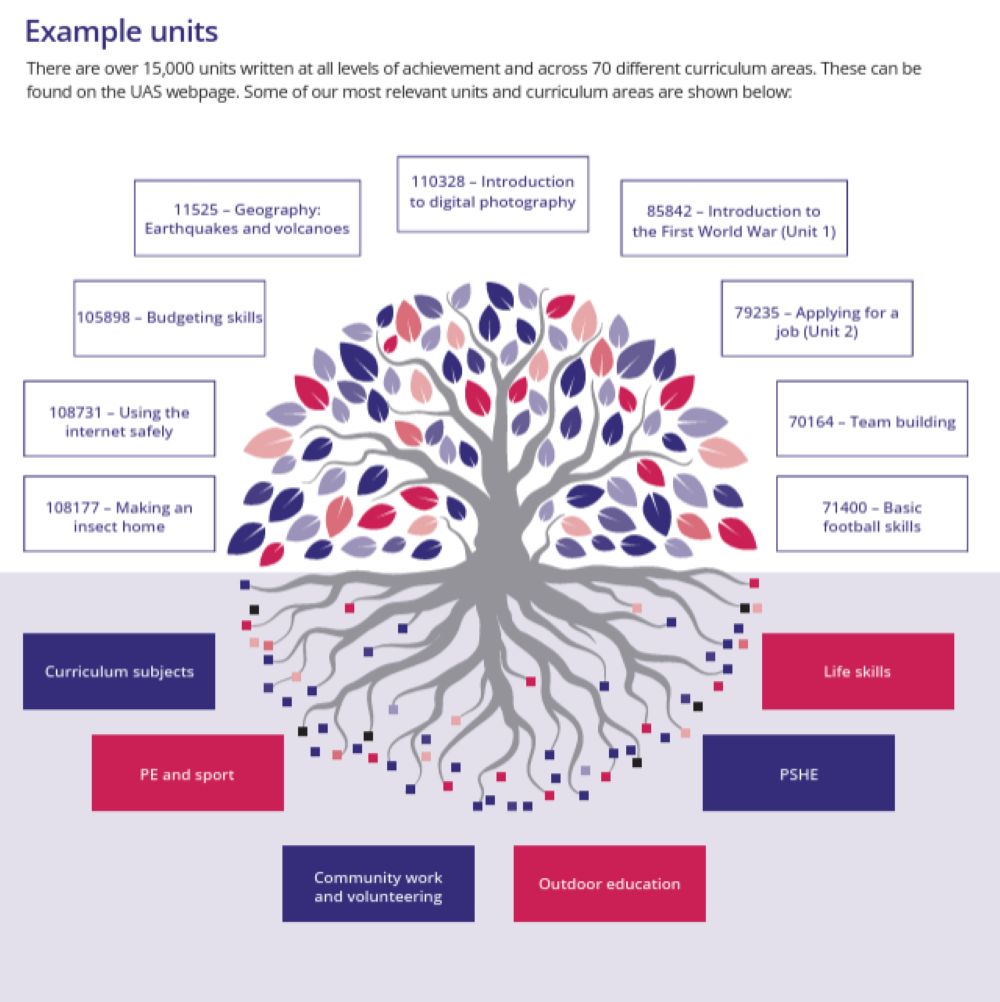
Not everyone thrives in a traditional classroom or finds formal qualifications easy to achieve. At Conquest, we believe that every achievement matters – and our AQA Unit Awards give us a way to recognise and celebrate those achievements.
AQA Unit Awards are flexible awards that recognise specific skills, activities and areas of learning. There are no big exams and no need to complete a lengthy course. Instead, clients work towards individual units that are suited to their interests, abilities and personal goals.
And they are available to all our clients, whatever their age.
The possibilities are wide-ranging because learning at Conquest happens in so many different ways. Depending on the individual, examples could be:
• Learning how to safely care for and handle animals
• Developing horse-riding skills
• Grooming and caring for a horse, donkey or other animal
• Learning about animal welfare and behaviour
• Developing practical skills through gardening, nature and Forest School activities
• Building confidence and communication skills
• Working as part of a team
• Developing independence and responsibility
• Learning new physical or sporting skills
• Taking part in creative or sensory activities
• Developing cooking and baking skills, such as following a recipe, measuring ingredients and preparing food safely
• Developing skills around caring for and looking after the environment
For some clients, completing an award might mean learning a completely new skill. For someone else, it might be about building confidence, trying something they previously found difficult or demonstrating a skill they already have.
When a client successfully completes a unit, they receive an official AQA certificate recognising their achievement. AQA issues a certificate for each completed unit, creating a record of the skills, knowledge and experience achieved.
For some of our clients, that certificate represents much more than a piece of paper. It can be a tangible reminder of something they have worked hard to achieve – particularly for those who may have struggled with traditional education or formal qualifications.
At Conquest, we use AQA Unit Awards to celebrate progress as well as achievement. Whether someone earns their first certificate or works towards several, we want every client to have opportunities to experience success and to see just how much they can do.
Find out more about AQA Unit Awards




.png)
Conquest Farm,
Norton Fitzwarren,
Taunton, Somerset,
TA2 6PN
01823 433614
info@conquestcentre.org.uk


.png)

